An ordinary rock, in the dark.
An L6 chondrite drifting in the asteroid belt. Olivine, pyroxene, feldspar, metal. Nothing unusual, and nothing that records anything deeper than where it sits.
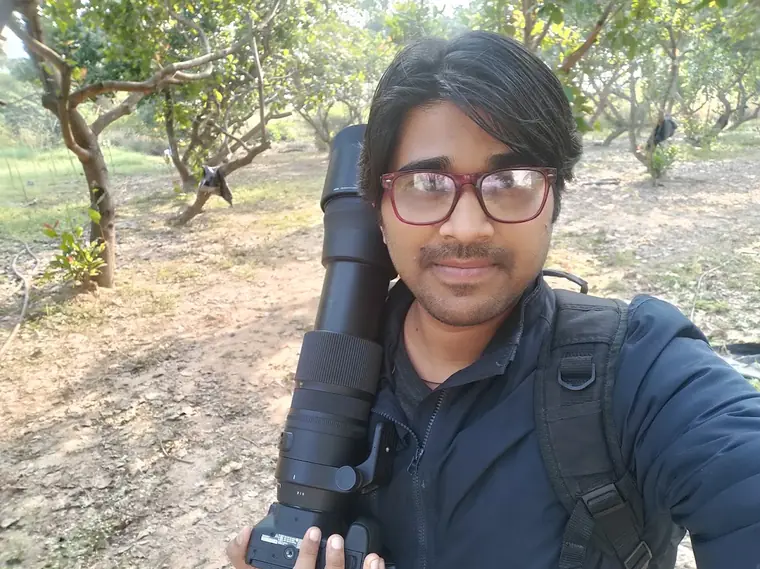
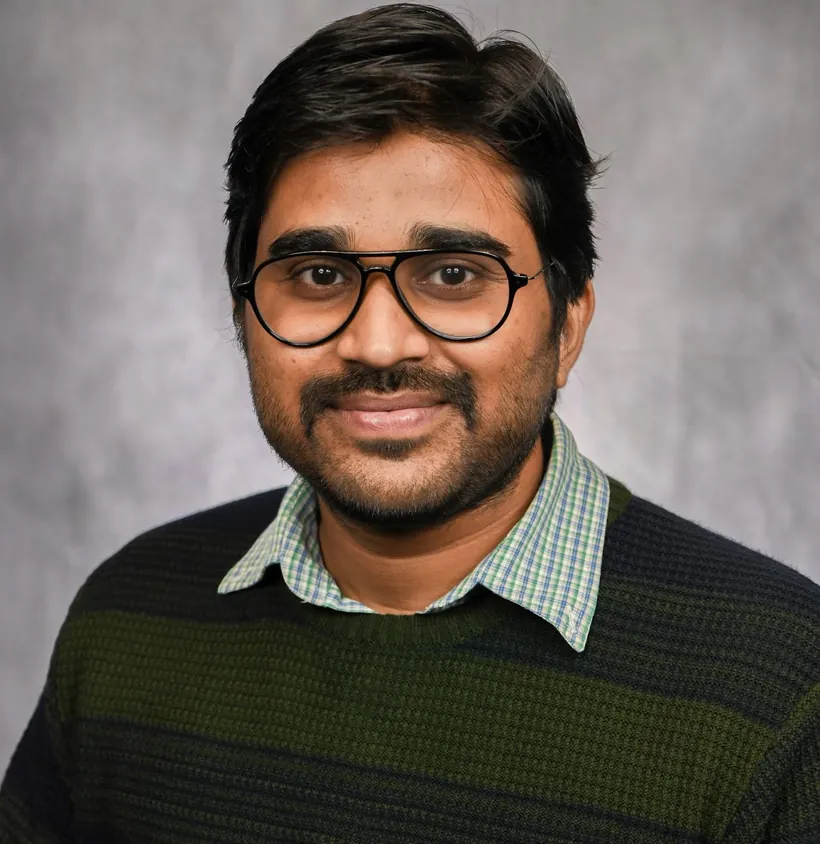
 Kishan TiwariPlanetary materials
I am Dr. Kishan Tiwari. Inside ordinary chondrites there are veins a hundred microns wide that were molten for a few milliseconds, at pressures found 660 kilometres beneath your feet. They are the only samples of the deep Earth anyone will ever hold.
I grew up in Mughalsarai, Uttar Pradesh, and finished school there. Delhi came next, a B.Sc. (Hons) in Geology at Hansraj College, then an M.Sc. at the University of Delhi. The Ph.D. followed at IIT Kharagpur, in Earth and Planetary Science, where I am now an Institute Postdoctoral Fellow in the Experimental Petrology Lab.
My work is question-driven, not technique-driven. The instruments, FIB-TEM, FEG-SEM, FE-EPMA, Raman, are how I get an answer, never the reason I ask. What I want to know is what happens to a mineral in the few hundred milliseconds when an asteroid hits another asteroid, and what that tells us about the deep Earth we cannot reach.
Meteorites are leftovers from the formation of the solar system. They kept the original chemistry that Earth spent four and a half billion years destroying.
Longer term I want to build an independent shock-metamorphism and high-pressure planetary mineralogy group in India, wired directly into ISRO's planetary mission roadmap. Indian falls like Katol, Kamargaon and Bori are world-class samples. They should be studied here.
The monogram is KT twice over: my initials, and the K to Pg boundary. The golden bar is that iridium-rich clay layer, 66 million years of ordinary rock interrupted by one afternoon. The asteroid at the top is the cause, and the reason I have a job.
An L6 chondrite drifting in the asteroid belt. Olivine, pyroxene, feldspar, metal. Nothing unusual, and nothing that records anything deeper than where it sits.
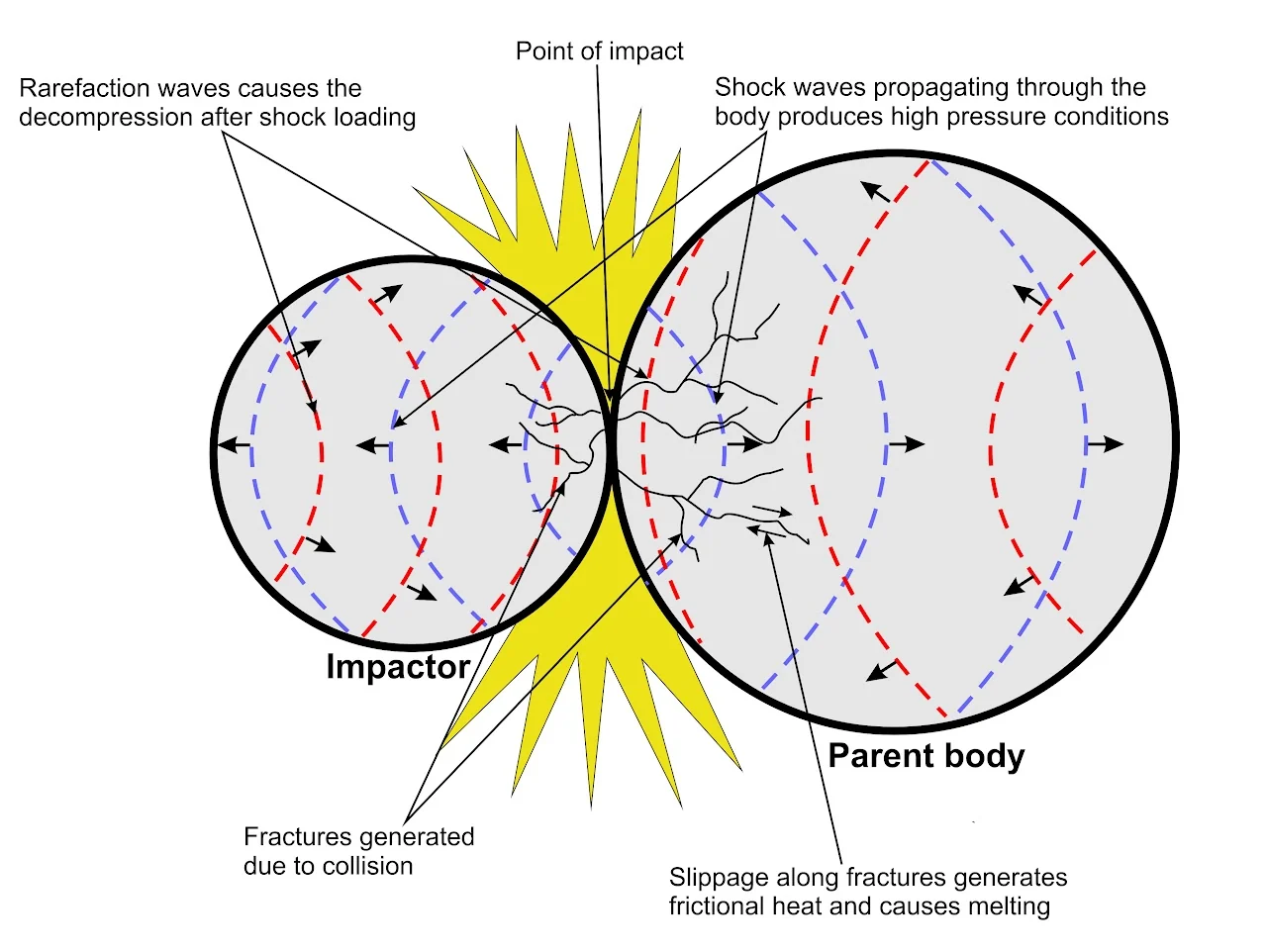
Two bodies meet at kilometres per second. The wave sweeps through the rock far faster than the rock can respond, and pressure climbs into the tens of gigapascals.
Where the rock slips, it heats. Thin dark veins of melt open along those surfaces, carrying fragments of the host rock with them.
Olivine becomes wadsleyite, then ringwoodite. Pyroxene and feldspar follow. These are the minerals of Earth's transition zone, growing inside a rock you can hold.
The vein quenches in milliseconds and freezes the whole sequence in place. That frozen moment is my entire subject.
In 2021 we reported natural Fe-bearing aluminous bridgmanite in the Katol L6 chondrite, in PNAS. Bridgmanite is the most abundant mineral in the Earth by volume and it is stable only below about 660 kilometres. Nobody has ever sampled it in place.
Everything I do follows from that. Identify the phase, measure its composition, model how fast it could have grown, and the vein gives up the pressure, the temperature and the duration of an impact that happened before the Earth had oceans.
The starting material. Ordinary chondrite bulk mineralogy, unshocked and orthorhombic.
First collapse. Same formula, denser packing. Marks the top of the transition zone.
Deep blue, spinel-structured. In Katol it grew from a superheated chondritic melt, my 2025 paper.
Earth's most abundant mineral. We found natural Fe-bearing aluminous bridgmanite in Katol, PNAS 2021.
Scroll sideways. Each card opens its DOI.
Citations and preprints live on Google Scholar and ResearchGate.
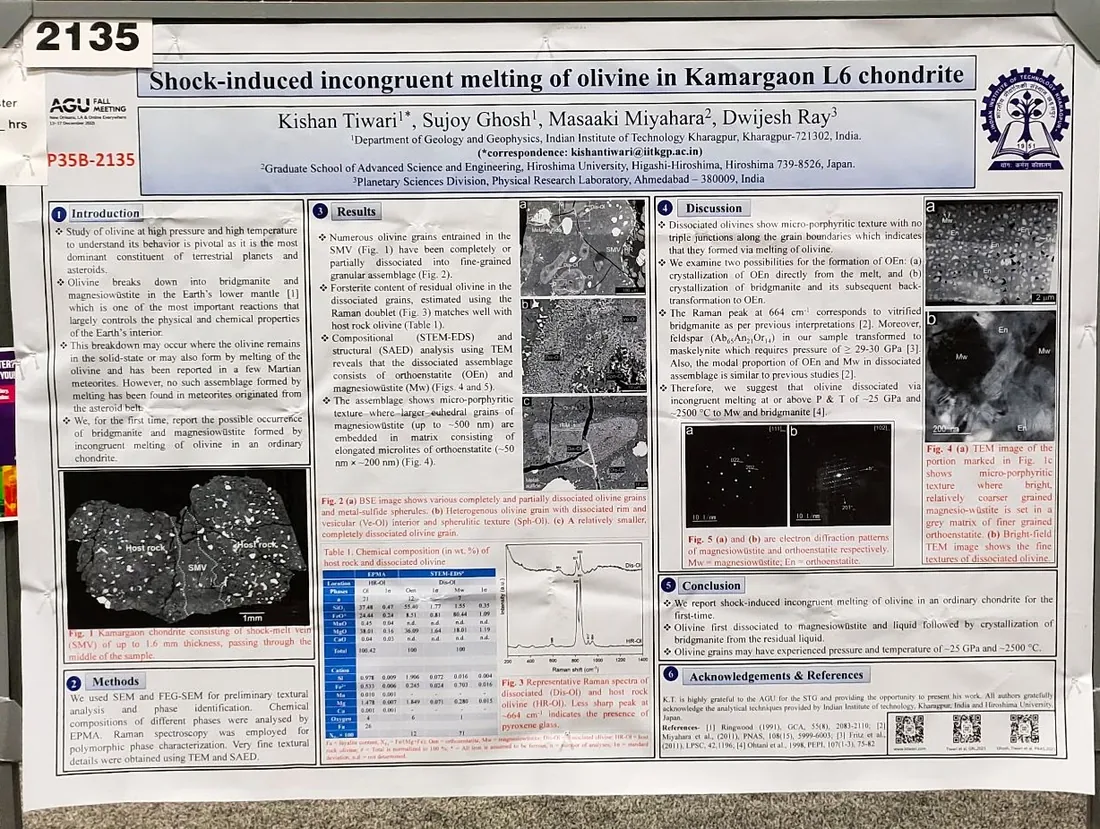
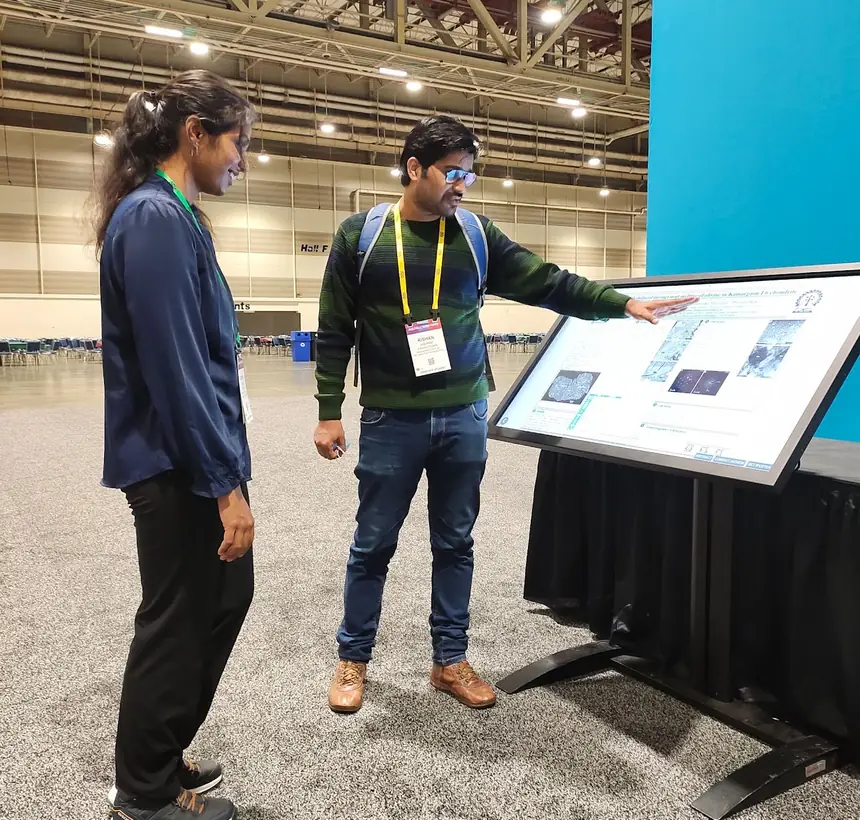
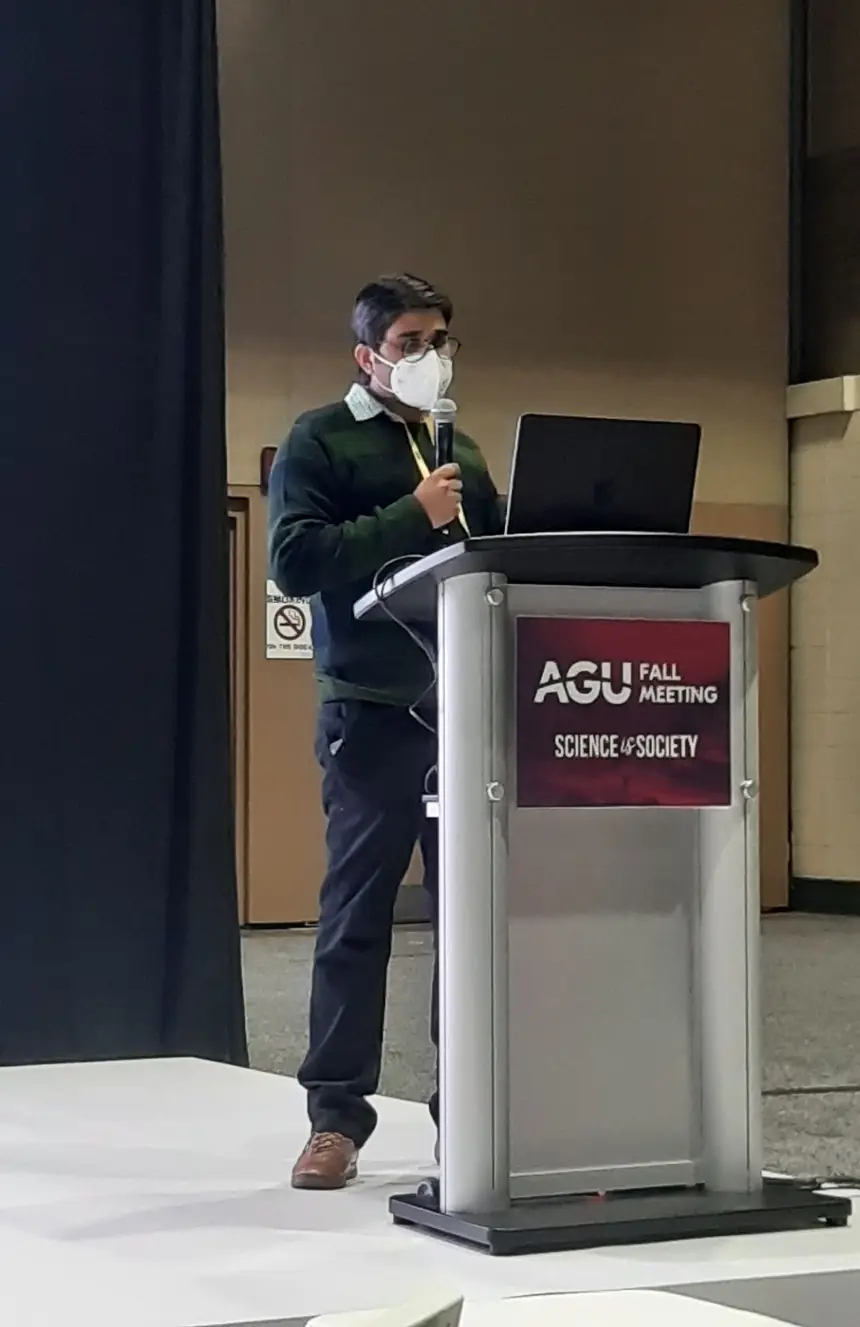
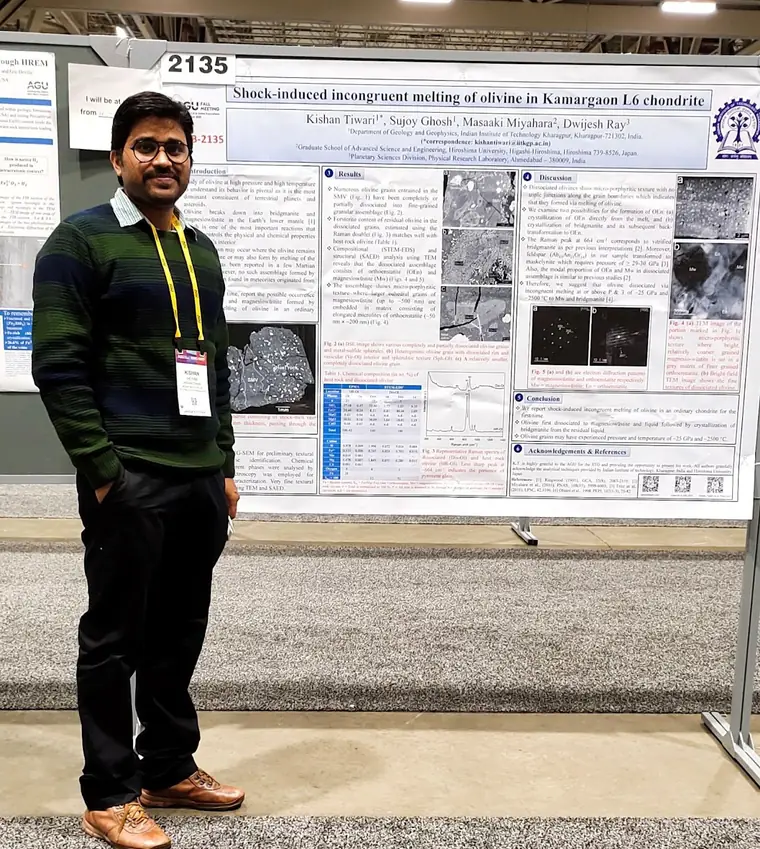
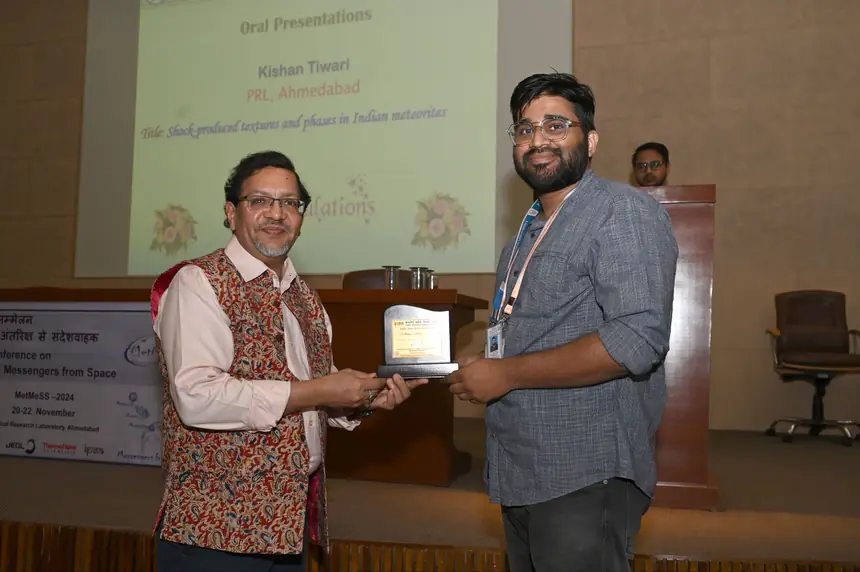
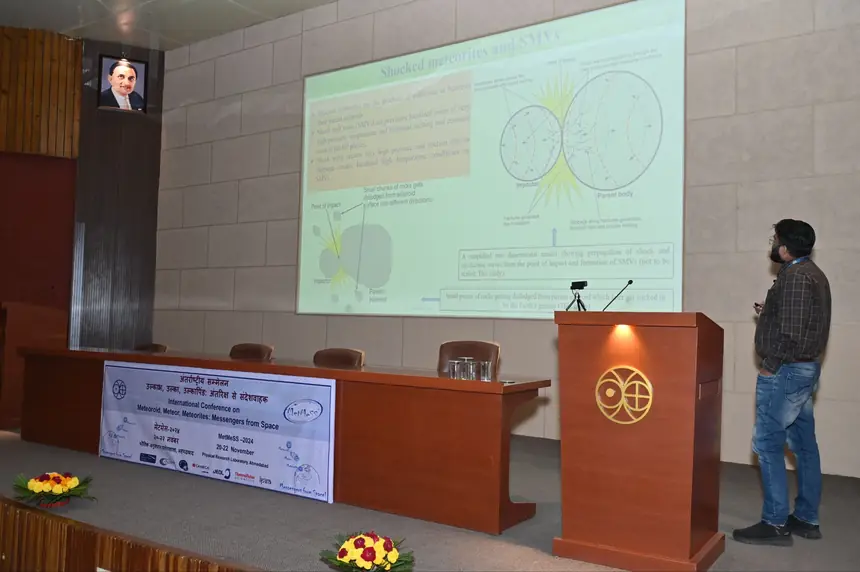
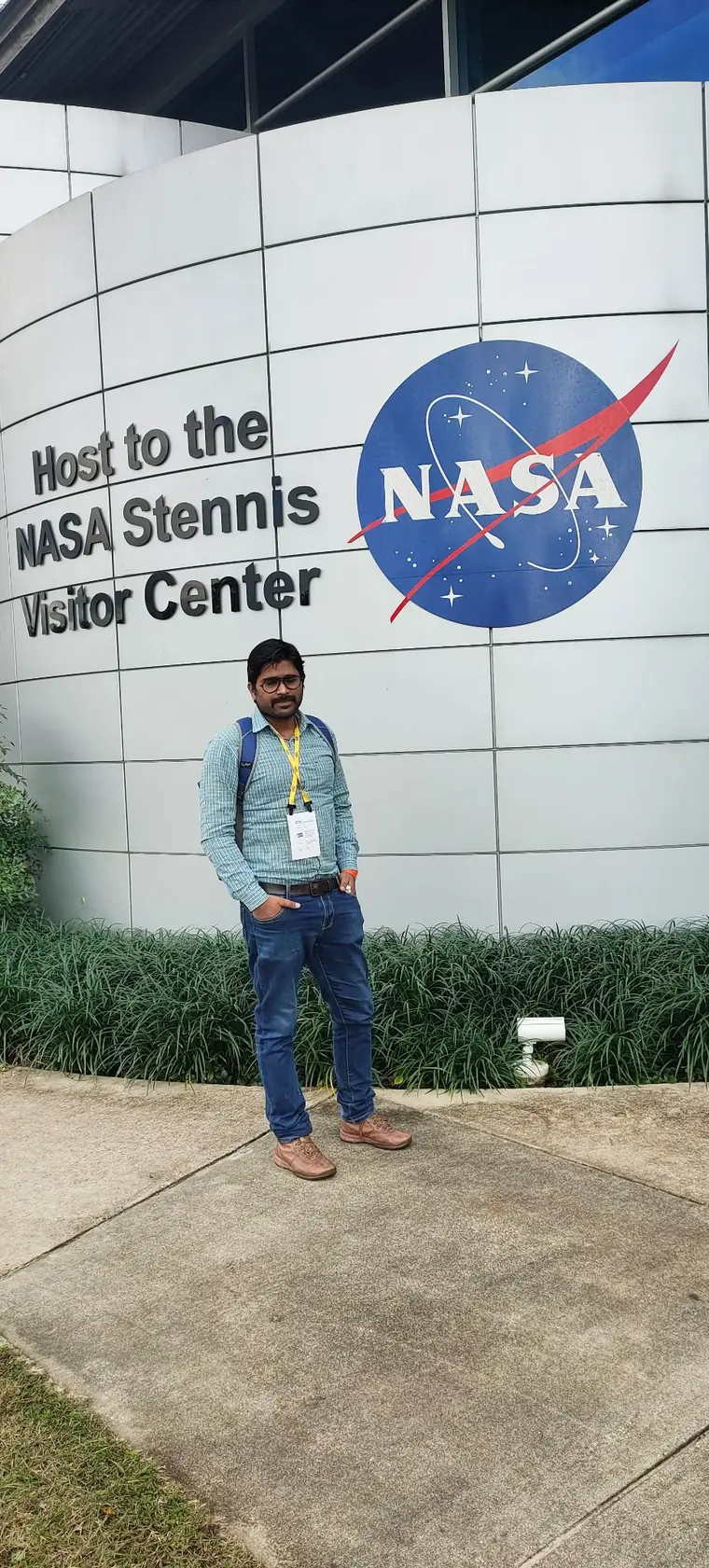
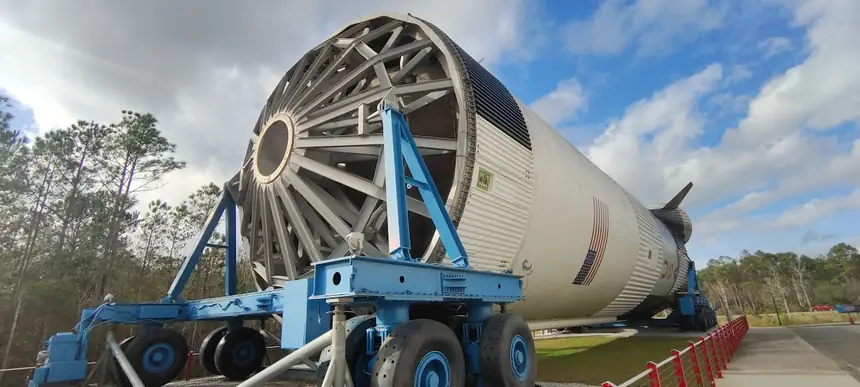
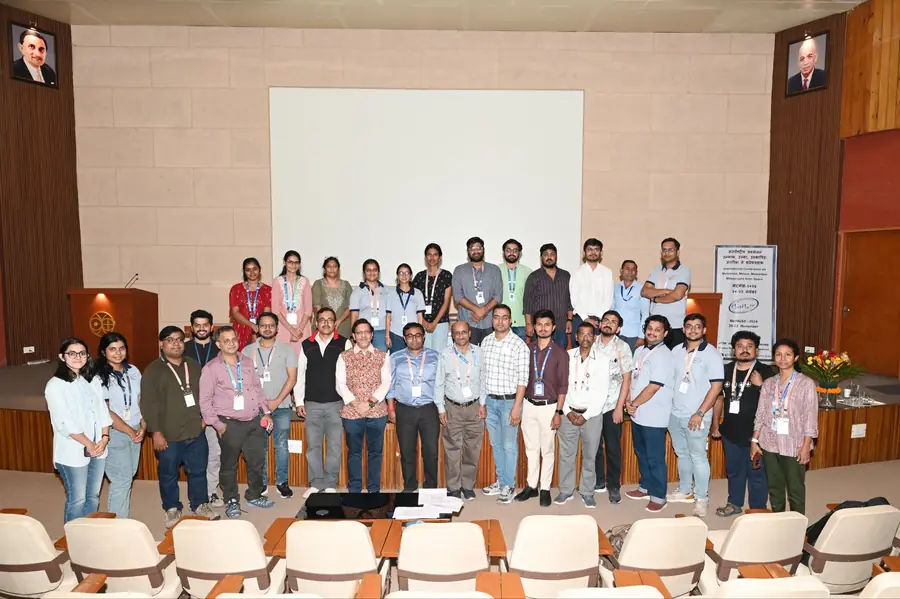
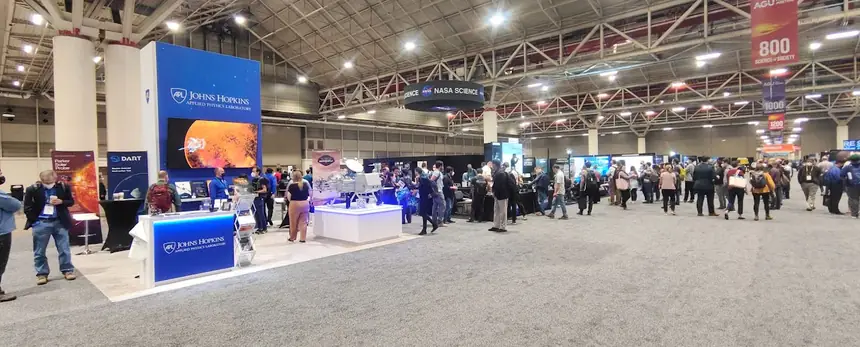
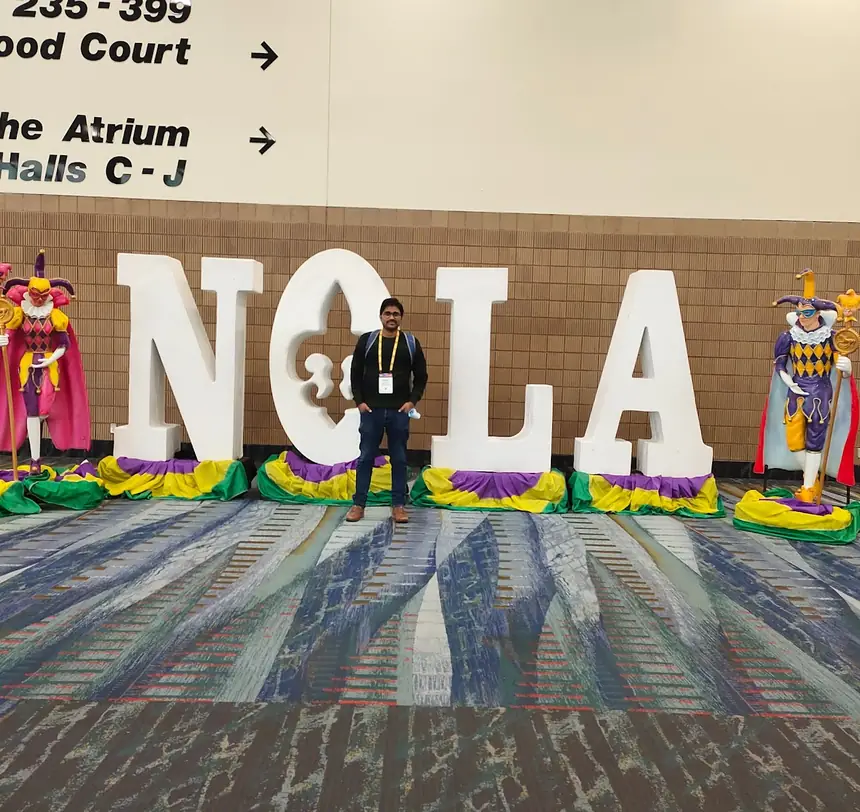
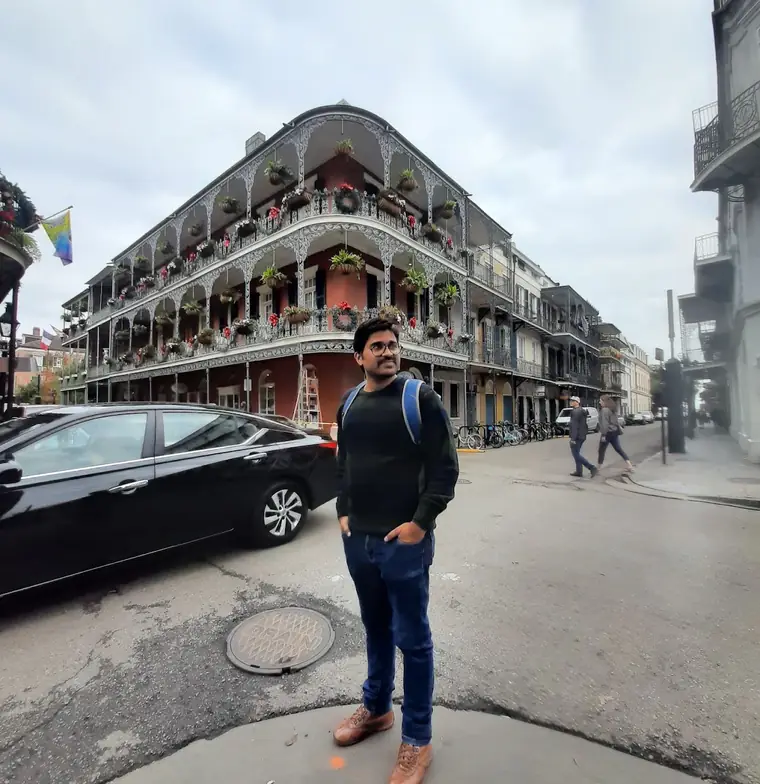
AGU Fall Meeting in New Orleans, seminars at home, and the one afternoon at NASA Stennis where the hardware is bigger than the science.
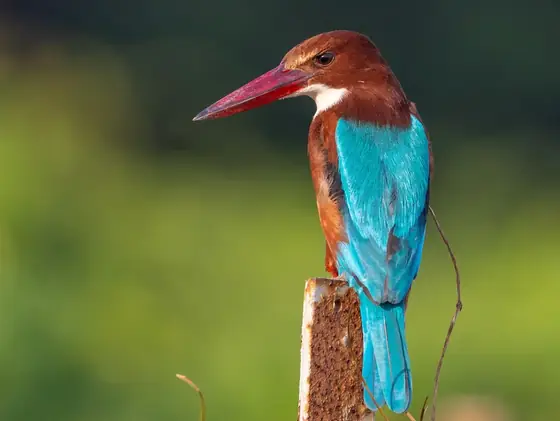
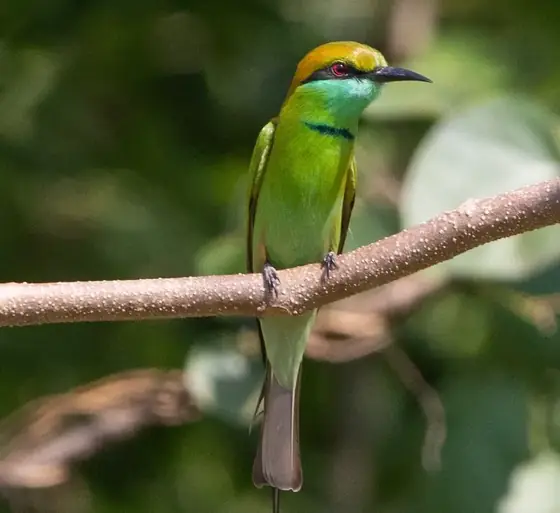
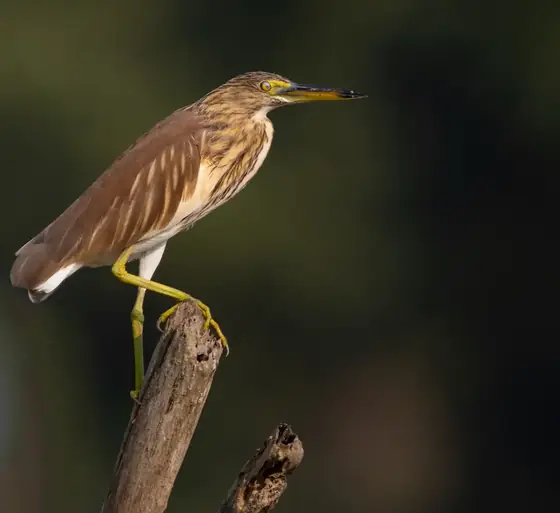
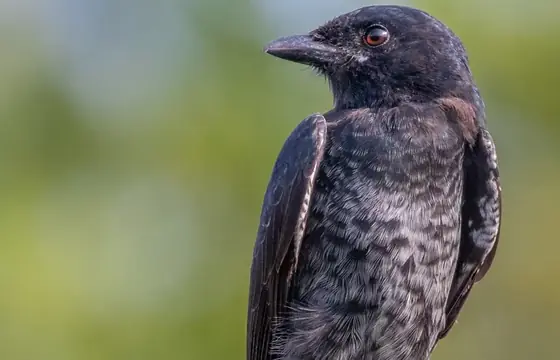
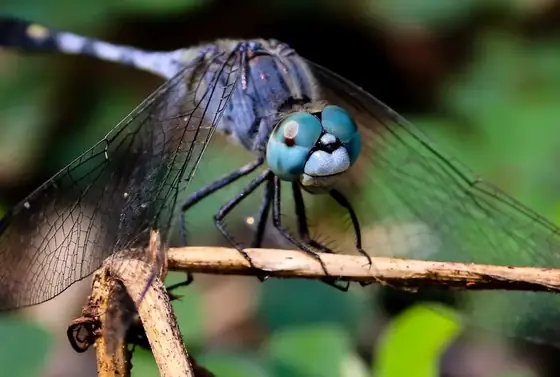
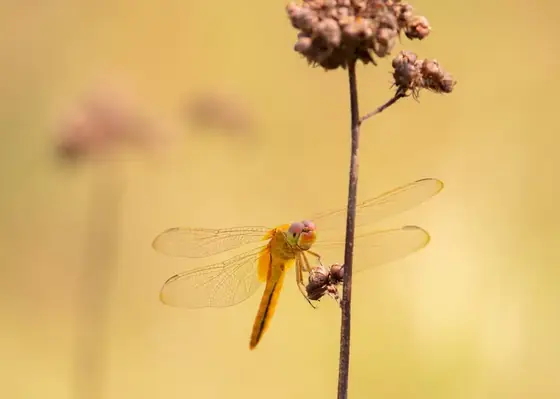
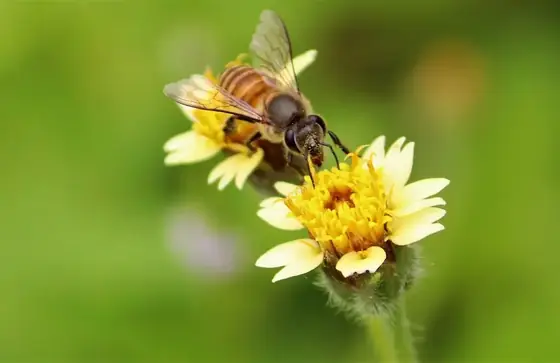
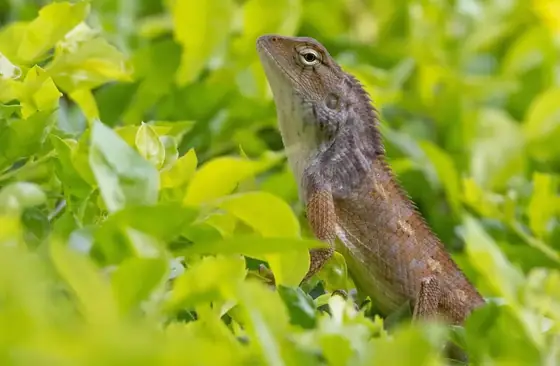
Species names below are my reading of the frames. Corrections welcome.